
Services
Frozen Embryo Transfer in Mumbai
“Everything went well during our IVF cycle.”
“We still have healthy embryos frozen.”
“Do we have to go through injections and egg retrieval all over again?”
This question brings relief to many couples because the answer is often no.
One of the greatest advancements in modern fertility treatment is that every IVF journey doesn’t have to start from the beginning. If healthy embryos have already been created and safely preserved, the next step may simply be preparing the body for the right moment.
Infertility continues to affect millions of families across India. According to the Indian Society for Assisted Reproduction (ISAR), nearly 27–30 million Indian couples experience infertility.The World Health Organization (WHO) also reports that 1 in 6 people worldwide experience infertility during their reproductive years.
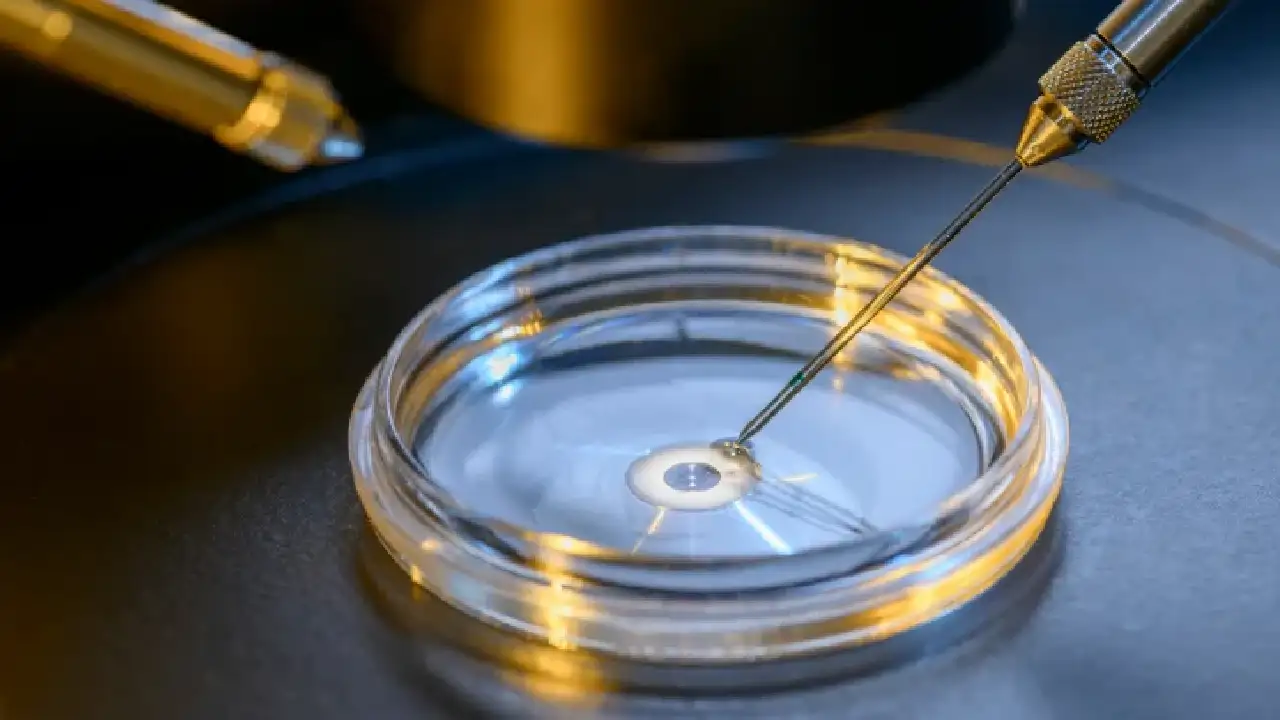
As fertility science has evolved, Frozen Embryo Transfer (FET) has transformed the way fertility specialists approach treatment. Rather than repeating ovarian stimulation and egg retrieval, carefully frozen embryos from a previous IVF cycle can be transferred when the uterus is best prepared for implantation.
For Dr. Kanika Kalyani, an experienced IVF and Fertility Specialist in Mumbai, fertility treatment is never about rushing from one procedure to another. It is about understanding each patient’s medical condition, choosing the right timing, and creating the best possible environment for embryo implantation.
With 17 years of experience and over 10000 fertility procedures, Dr. Kanika Kalyani combines scientific precision, personalized planning, and compassionate counselling to help couples move through every stage of their fertility journey with confidence.
“One Embryo. One Opportunity. Why Timing Can Matter More Than Speed “
Many couples assume that once embryos are created, they should be transferred immediately.
Modern reproductive medicine tells a different story.
Sometimes, allowing the body to recover before embryo transfer creates a more favourable environment for implantation in the subsequent cycle.
Instead of asking,
“How quickly can we transfer the embryo?”
The better question is,
“When will the uterus be most ready to receive it?”
That answer depends on several factors, including:
- Hormonal balance
- Endometrial thickness
- Overall uterine health
- Recovery after egg retrieval
- Previous IVF response
- Medical conditions such as PCOS or endometriosis
Every embryo deserves the best possible opportunity, and that begins with careful planning rather than hurried decisions.
The concept of frozen embryo transfer is no longer simply a matter of convenience—it is supported by robust scientific evidence. Multiple large randomized controlled trials and international guidelines have shown that, in appropriately selected patients, transferring an embryo in a subsequent cycle after freezing can provide a safer and, in many cases, more favourable environment for implantation. By allowing hormone levels to normalize after ovarian stimulation, frozen embryo transfer reduces the risk of ovarian hyperstimulation syndrome (OHSS) and may improve endometrial receptivity, particularly in women with a high ovarian response. Advances in vitrification have also transformed embryo freezing, with survival rates now exceeding 95–99% in experienced laboratories, making frozen embryo transfer a highly reliable and effective treatment option.
Dr. Kanika Kalyani believes that every patient deserves the right transfer at the right time. Our decision is guided by your individual hormonal profile, uterine environment, embryo quality, and the latest evidence—ensuring that every embryo is transferred when the chances of a healthy pregnancy are at their highest.
” Why Every IVF Cycle Doesn’t Need Another Egg Retrieval“
One of the biggest misconceptions about fertility treatment is that every pregnancy attempt requires another complete IVF cycle.
Fortunately, this isn’t always true.
If high-quality embryos have already been frozen using advanced vitrification techniques, they can often be used in future treatment cycles.
This means many women can avoid:
- Another ovarian stimulation cycle
- Additional hormone injections
- Repeat egg retrieval procedures
- Extra physical and emotional stress
Instead, the focus shifts toward preparing the uterus for embryo transfer.
For many patients, this approach offers greater convenience while reducing the burden of repeated treatment.
Preparing the Uterus—The Part Patients Rarely See
Most people think the embryo is the most important part of fertility treatment.
While embryo quality is essential, implantation also depends on the environment where the embryo is placed.
This is why uterine preparation becomes a major focus before Frozen Embryo Transfer in Mumbai.
Preparation may include:
Hormonal Assessment
Ensuring estrogen and progesterone levels are appropriate for implantation.
Endometrial Monitoring
Ultrasound scans help measure the thickness and appearance of the uterine lining.
Timing the Transfer
The embryo is transferred only when the uterus is considered receptive.
Individualized Medication
Every woman responds differently, so medications are adjusted according to her specific needs rather than following the same protocol for everyone.
This personalized planning helps create conditions that support successful implantation.
Fresh or Frozen? Why the Answer Is Different for Every Couple
“Is Frozen Embryo Transfer better than a fresh embryo transfer?”
There isn’t a single answer.
Both approaches have important roles in fertility treatment.
Fresh embryo transfer may be appropriate in some situations.
Frozen embryo transfer may be preferred in others, particularly when:
- Hormone levels are very high after ovarian stimulation.
- The uterus requires additional preparation.
- Fertility preservation is planned.
- Genetic testing of embryos has been performed.
- Medical conditions make delaying transfer beneficial.
Rather than choosing one approach for every patient, Dr. Kanika Kalyani recommends the option that best matches the individual’s reproductive health.
Every decision is based on medical evidence, not routine practice.
🌸 Personalised Results, Designed Just for You
- Customised stimulation protocols based on AMH, AFC, and previous response
- Day 3 or Day 5 blastocyst transfer — whichever gives the best outcome for you
- Vitrification (flash-freezing) of surplus embryos with 95%+ survival rates on thaw
- Endometrial receptivity assessment for recurrent implantation failure cases
The Science Behind Frozen Embryo Transfer
Many couples worry that freezing may damage an embryo.
Advances in vitrification technology have changed this dramatically.
Embryos are frozen rapidly using specialized laboratory techniques that minimize ice crystal formation and help preserve embryo quality.
When the appropriate time arrives:
- The embryo is carefully thawed.
- Survival is assessed.
- The uterus is prepared.
- The embryo is transferred using a gentle procedure that usually does not require anaesthesia.
For most patients, embryo transfer is one of the simplest parts of the IVF journey, although emotionally it is often one of the most significant.
More Than an Embryo Transfer— Supporting Every Step of the Journey
“The embryo has been transferred… now what?”
For many couples, this is the most emotional part of fertility treatment.
The waiting period between embryo transfer and the pregnancy test often brings excitement, hope, anxiety, and countless questions.
“Should I stay in bed?”
“Can I go back to work?”
“What should I eat?”
“Is every cramp a good sign?”
The truth is that emotional reassurance is just as important as medical treatment during this phase.
That is why Dr. Kanika Kalyani believes fertility care should not stop once the embryo transfer is completed.
Every patient receives guidance regarding:
- Medications after embryo transfer
- Physical activity and daily routine
- Nutrition and hydration
- Stress management
- Warning signs that require medical attention
- Follow-up appointments
- Timing of the pregnancy blood test
Instead of leaving couples uncertain, the focus is on keeping them informed and supported throughout the waiting period.
Because fertility care continues even after the procedure is over.
Why Couples Choose Dr. Kanika Kalyani
Every fertility journey is different.
Some couples are beginning treatment for the first time.
Others have experienced failed IVF cycles, recurrent miscarriages, or years of unexplained infertility.
What they all need is a fertility specialist who understands that successful treatment starts with understanding the patient—not just the reports.
Dr. Kanika Kalyani is a highly experienced Gynecologist and Fertility Specialist in Mumbai with 17 years of experience in reproductive medicine.
She has successfully performed more than 10000 fertility procedures, helping couples with a wide range of fertility challenges through personalized treatment planning and evidence-based reproductive care.
Her expertise includes:
- Frozen Embryo Transfer in Mumbai
- IVF Treatment
- ICSI Treatment
- Blastocyst Embryo Transfer
- Donor Insemination
- Male Infertility Management
- Recurrent Implantation Failure
- Personalized Fertility Counselling
Qualifications
- MBBS – Maharashtra University of Health Sciences, Nashik
- MD (Gold Medalist) – Obstetrics & Gynaecology – Datta Meghe Institute of Medical Sciences
Every treatment recommendation is based on careful evaluation, scientific evidence, and transparent discussions with the couple.
Stories of Strength & Joy

Choosing the Right IVF and Fertility Specialist in Mumbai Is About Trust, Not Just Technology
Modern fertility treatment offers remarkable medical advancements.
But technology alone does not create personalized care.
Choosing an IVF and Fertility Specialist in Mumbai means choosing someone who takes the time to understand your fertility journey before recommending treatment.
A trusted fertility specialist focuses on:
- Detailed fertility evaluation
- Honest counselling
- Individualized treatment planning
- Advanced laboratory support
- Continuous patient guidance
- Ethical fertility practices
- Long-term reproductive care
For Dr. Kanika Kalyani, every consultation begins with one simple objective:
“Let’s understand your fertility before deciding your treatment.”
That patient-first philosophy helps couples make informed decisions with confidence rather than confusion.
Still have Question’s?
Your first consultation with Dr. Kanika is a conversation — not a commitment. Let’s understand your situation together.
Frequently Asked Question’s about Frozen Embryo Transfer
What is Frozen Embryo Transfer (FET)?
Frozen Embryo Transfer is a procedure in which embryos created and frozen during a previous IVF cycle are thawed and transferred into the uterus after preparing the uterine lining.
Is Frozen Embryo Transfer painful?
The procedure is usually quick, minimally invasive, and does not require anaesthesia. Most women experience little to no discomfort and can return to normal activities shortly afterwards.
Why would a fertility specialist recommend Frozen Embryo Transfer instead of a fresh transfer?
Frozen embryo transfer may be recommended when the uterus needs additional preparation, hormone levels are high after ovarian stimulation, embryos have undergone genetic testing, or delaying transfer is considered medically beneficial. Also, some studies show that live birth rate is better after a Frozen Embryo Transfer in women who are hyperresponders.
Can frozen embryos remain safely preserved for years?
Yes. With modern vitrification techniques, embryos can remain cryopreserved for extended periods under appropriate laboratory conditions without affecting the freezing process itself.
Why choose Dr. Kanika Kalyani for Frozen Embryo Transfer in Mumbai?
With 17 years of experience, over 10000 fertility procedures, and expertise in advanced reproductive medicine, Dr. Kanika Kalyani offers personalized fertility care, scientific treatment planning, transparent counselling, and compassionate support throughout every stage of the fertility journey.
A frozen embryo is much more than a laboratory-preserved cell.
It represents hope.
It represents months of courage, patience, and determination.
Most importantly, it represents another opportunity to build the family you’ve been dreaming about.
Frozen Embryo Transfer in Mumbai is not simply about transferring an embryo—it is about choosing the right time, preparing the body carefully, and ensuring every step is guided by science and personalized care.
With 17 years of experience, more than 10000 fertility procedures, and a commitment to ethical, evidence-based fertility treatment, Dr. Kanika Kalyani believes every couple deserves clear guidance, compassionate counselling, and a treatment plan tailored to their unique needs.
If you are looking for an experienced IVF and Fertility Specialist in Mumbai for Frozen Embryo Transfer in Mumbai, choosing a specialist who values careful planning, honest communication, and patient-centred care can make your fertility journey more informed, more reassuring, and more meaningful.
Because sometimes, hope doesn’t need another beginning.
It simply needs the right moment to grow.